
Jemy Finance Market Research Team At Jemy Trade
September 8, 2025
ROME
– Global food prices remained largely stable in August, according to the latest report from the Food and Agriculture Organization of the United Nations (FAO), offering a mixed but generally reassuring outlook for consumers worldwide. While overall stability prevailed, the report highlighted significant price increases in key agricultural commodities such as wheat and dairy products, tempered by declines in the prices of grains and vegetable oils.
The FAO Food Price Index, which tracks monthly changes in the international prices of a basket of commonly traded food commodities, registered minor fluctuations, signaling a period of relative calm after months of volatility driven by geopolitical tensions and supply chain disruptions. This stability provides some relief to importers and consumers, suggesting that the worst of the food inflation crisis might be behind us.
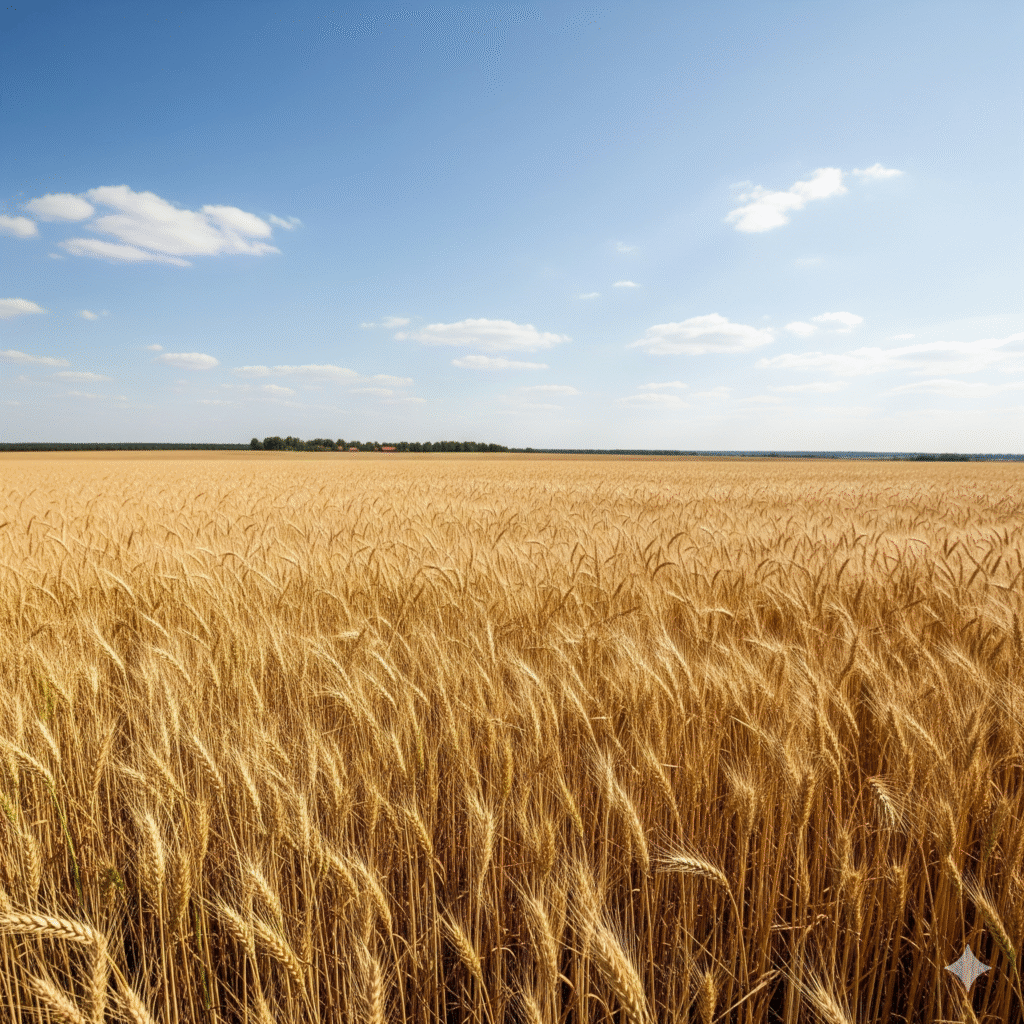
However, a closer look at the data reveals underlying pressures in specific markets. Wheat prices saw a notable uptick in August, driven by concerns over harvest yields in key producing regions and renewed geopolitical uncertainties affecting export routes. Similarly, dairy products experienced price surges, primarily due to robust global demand and tight supply conditions, particularly in major exporting countries. This could translate to higher costs for staples like bread, milk, and cheese in the coming months.
On the positive side, prices for other major grains, including maize (corn), witnessed a decrease, largely attributable to favorable weather conditions in major growing areas and a strong global supply outlook. Vegetable oil prices also continued their downward trend, providing some counterbalance to the rising costs of wheat and dairy.
The FAO report also brought good news regarding global wheat production, which is projected to reach an all-time high this year. This record output is expected to replenish global stocks and could potentially ease some of the upward pressure on wheat prices in the medium term, provided that trade flows remain unhindered.
Despite the overall stabilization, the FAO warned that the global food system remains vulnerable to shocks, including extreme weather events, ongoing conflicts, and shifting trade policies. The report underscored the importance of robust agricultural policies and international cooperation to ensure long-term food security and price stability. As we move further into Q4, monitoring these key commodity markets will be crucial for understanding broader economic trends.