
By: Jemy Finance Market Research Team At Jemy Trade
Date: August 22, 2025
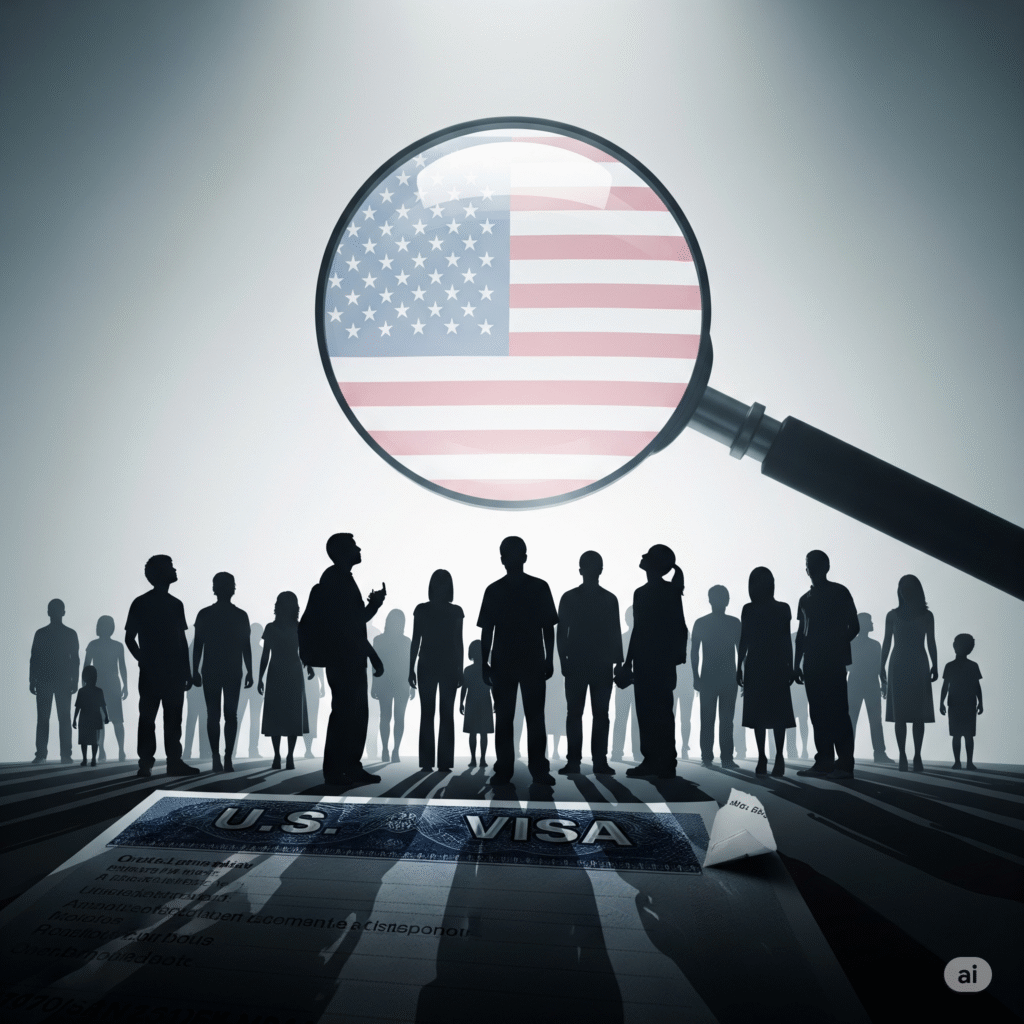
WASHINGTON, D.C. – In a monumental policy shift with far-reaching implications, the U.S. administration has initiated a sweeping review of all 55 million foreign nationals currently holding American visas. This unprecedented crackdown, described as a measure to enhance national security and public safety, has plunged millions of students, workers, tourists, and long-term residents into a state of profound uncertainty, sending tremors through immigrant communities and various sectors of the U.S. economy.
The new directive mandates a comprehensive re-vetting process for every individual with a valid U.S. visa. According to official statements, the primary objective is to systematically identify any individuals who may have violated the terms of their stay or who might pose a potential threat. The review will scrutinize a wide range of data points, including potential visa overstays, any engagement in criminal activity since their arrival, and any information that might suggest a threat to public safety or national security. This includes, but is not limited to, checks against newly updated criminal and terrorism databases.
The sheer scale of this undertaking is staggering and represents one of the most significant immigration enforcement actions in modern U.S. history. The process will involve multiple federal agencies, including the Department of Homeland Security and the State Department, leveraging advanced data analytics and intelligence sharing to flag individuals for further investigation or potential revocation of their legal status.
For the 55 million visa holders, this announcement has created a climate of anxiety and instability. The policy affects a diverse cross-section of individuals who are integral to the American fabric: from H-1B visa holders fueling the tech industry and international students at U.S. universities, to agricultural laborers and individuals on long-term investment visas. Many now fear that minor, unintentional status infractions or bureaucratic errors could lead to severe consequences, including visa cancellation and deportation proceedings. Advocacy groups have already raised alarms about the potential for wrongful flagging and the lack of a clear, immediate process for individuals to appeal or rectify their status.
The economic ramifications of this crackdown are expected to be substantial. Industries that rely heavily on foreign talent, such as technology, healthcare, and higher education, are bracing for potential disruptions. The potential loss of skilled workers could exacerbate existing labor shortages and stifle innovation. Furthermore, the policy is likely to have a chilling effect on future immigration, potentially deterring talented individuals and international students from choosing the United States as their destination for work or study. This could have long-term consequences for American competitiveness on the global stage.
The administration has defended the policy as a necessary and overdue step to safeguard the integrity of the nation’s immigration system. Officials argue that a continuous vetting process is essential in a dynamic global environment to ensure that those who are granted the privilege of entering the U.S. continue to abide by its laws. However, critics argue that the broad, dragnet approach is disproportionate and could alienate law-abiding immigrants who contribute significantly to the economy and society.
As the implementation of this massive review begins to unfold, countless lives and the operations of numerous businesses hang in the balance. The coming months will be critical in determining the true impact of this policy, not only on the individuals directly affected but on the broader economic and social landscape of the United States.